’Tis the D*mn Season to Create Our Own Rituals
Every Thanksgiving since 2020, my partner and I have been running our own rogue “turkey trot.”
This is not an organized run. It started as a pandemic-era response to isolation, and it has become one of my most cherished rituals. The secret sauce is that each year the route traces the shape of a turkey.
This year's turkey trot was my masterpiece. I finally nailed the feathers—five precise up-and-back loops that actually looked like plumage instead of abstract squiggles or castle turrets. But the new riff on my route was running the course upside down. To understand why this year’s route was such a feat, it helps to go back to the route’s origins.
The Evolution of a Ritual
Here's my turkey from the first year—a humble attempt at creativity as I learned how to find the neighborhood’s fowl features.
The Evolution of a Ritual
Here's my turkey from the first year—a humble attempt at creativity during a time when creativity felt hard to come by:
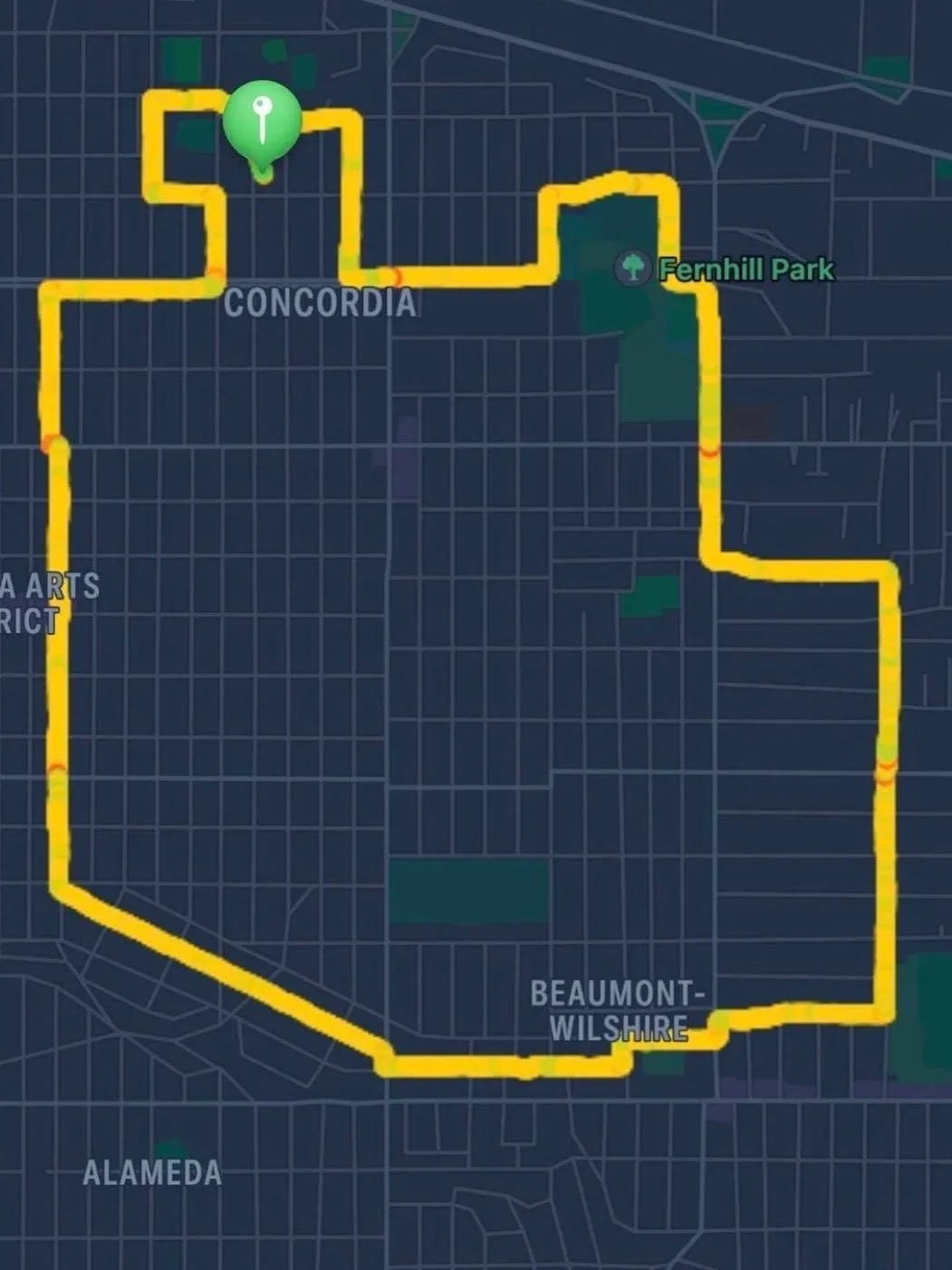
In the first year, the basic shape was there: a body, something resembling a head. Maybe those odd bumps are feathers. I give myself some credit for effort.
By the next year, I got more ambitious but probably no closer to resembling a turkey.
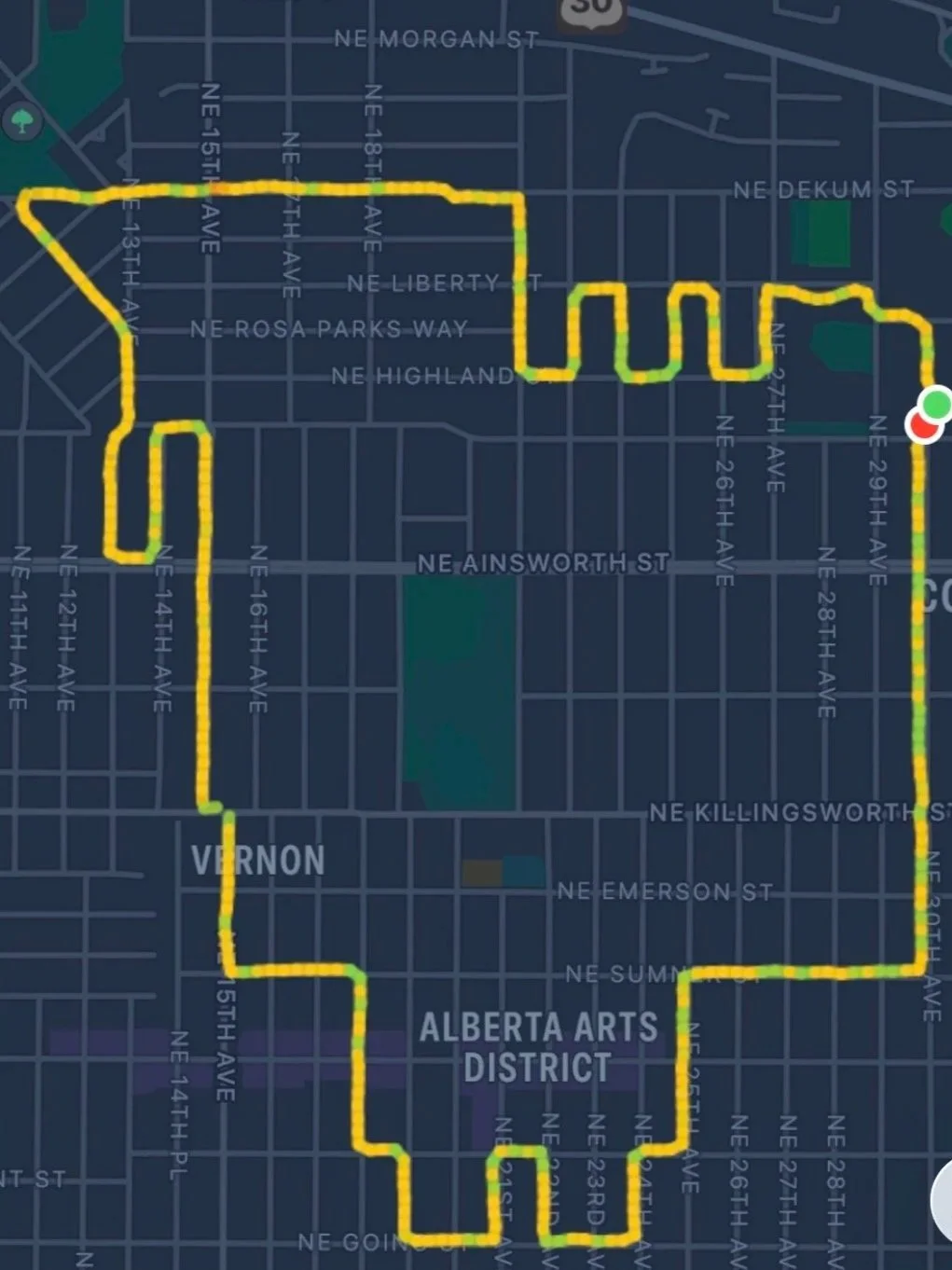
See those “feathers” on the upper right? Those little repetitive up-and-back loops that look like castle turrets? I thought the feathers were fun. My partner? She was a party pooper. She'd go along with it (and secretly love it, I suspected), but she vocally dreaded the feathers. Those repetitive loops at the end made the whole experience grueling.
Year after year, I kept tinkering with the design.
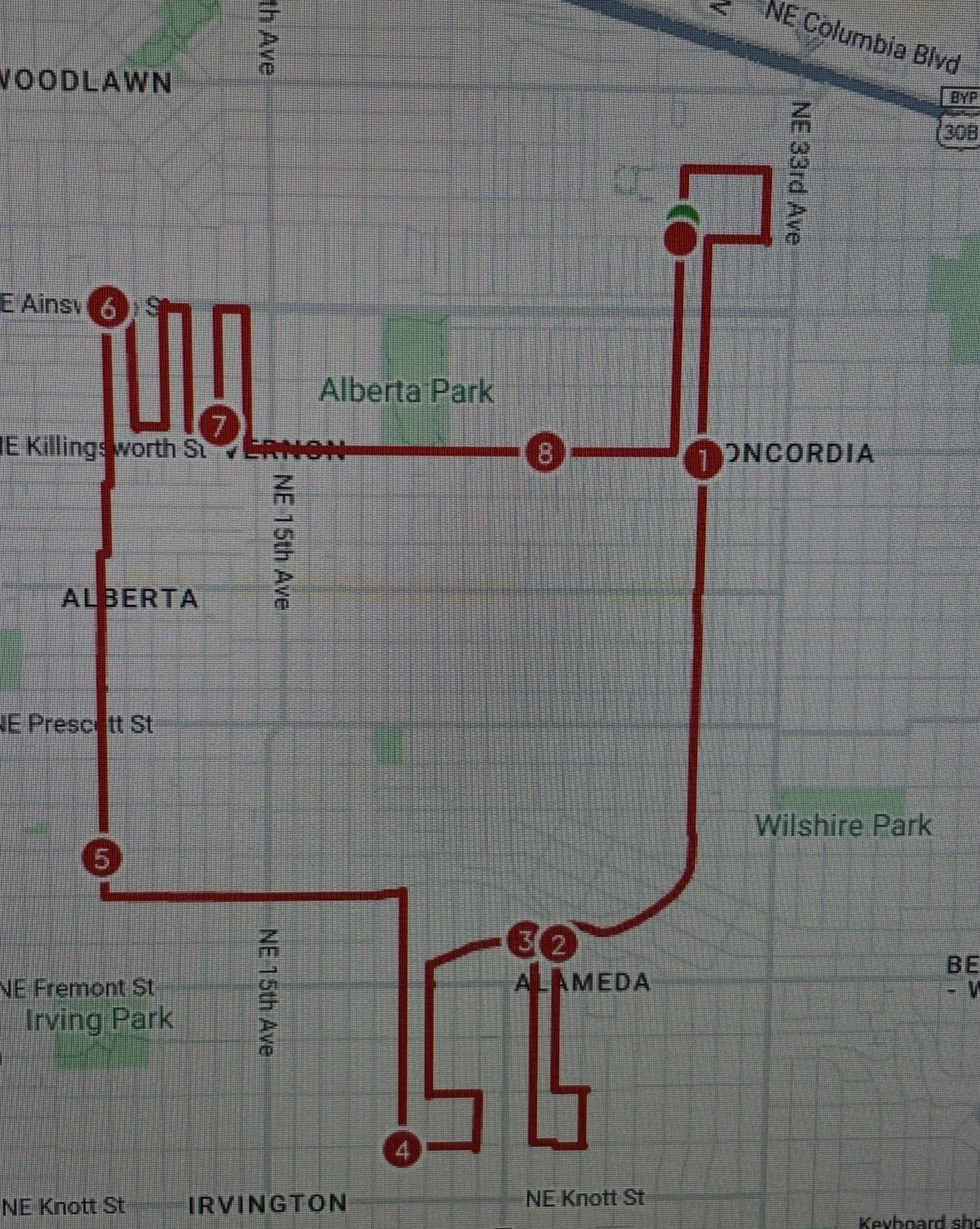
While I experimented with all the different ways to design a turkey route, the fundamental problem remained: my partner hated running those feathers at the end; it was a cumbersome up and back at a time we were already tired. And honestly, they didn’t really look like feathers.
This year, I had a revelation. What if I flipped the whole thing and reimagined the feathers?
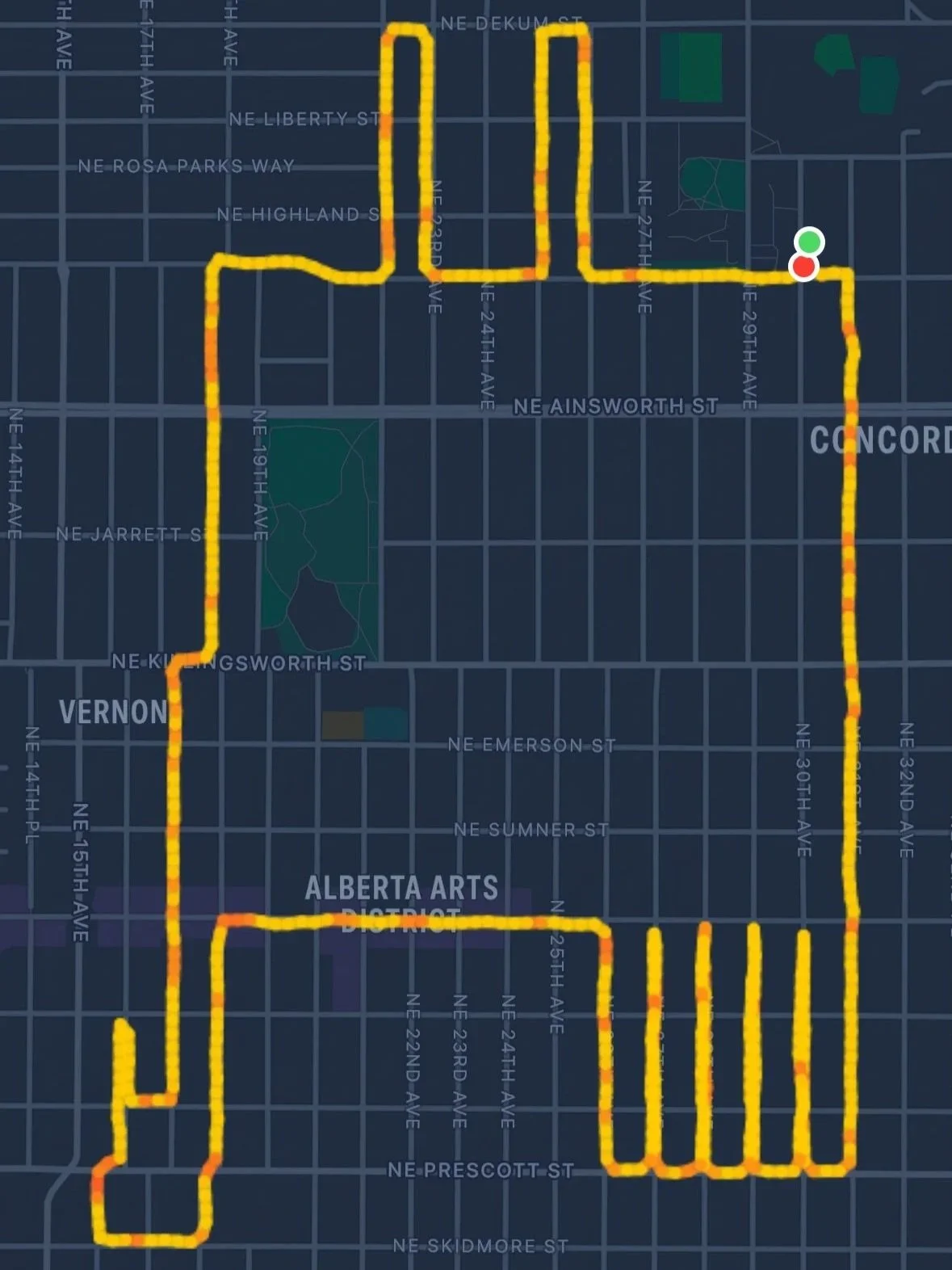
Look at those glorious feathers on the bottom right. This route required a lot of up and back on the same block, but for the purpose of resembling feathers, it was worth it. Also, by making the turkey upside down and running the feathers first, but my partner liked it, too! The dreaded part became the energized beginning instead of the depleted ending. Something foreboding became something exciting.
Here's what I love about rituals we create ourselves: we can redesign them when they stop serving us and create something that benefits our communities more.
The Permission to Reimagine
Rituals hold our larger societies and institutions together. They mark time, create meaning, and connect us across generations. But what happens when those inherited rituals don't fit our lives? When we've been excluded from them, or when they no longer serve who we've become? What happens when the ones who’ve led our rituals before are no longer around and we’re left to carry the mantle?
We make our own.
Research on ritual shows that even seemingly arbitrary practices—ones we create ourselves—can be surprisingly powerful in helping us navigate life's transitions and uncertainties. The meaning we assign to our rituals, whether inherited or invented, is what gives them their transformative power.
My turkey trot has no spectators except squirrels, a bunny or two, and the occasional outdoor cat. There are no official mile markers, no medals, no cheering crowds (though we pretend everyone who is out on a walk is also there to watch us run). People ask whether it's an organized event (no), whether others join us (no), and the purpose of running a route in the shape of a turkey (because we can). And yet, this ridiculous ritual has become a sacred practice that marks the season, connects me to my partner, invites a little silliness in the midst of tough times, and reminds me annually that I get to decide what my celebrations look like.
The work of reimagining rituals isn't just personal. It's organizational. The schools and teams that thrive are the ones willing to examine their inherited practices and ask important questions: Does this ritual still serve us? Who does it celebrate and who does it exclude? What would we create if we designed with the community we have now?
Imagine what becomes possible when schools approach their rituals with the same permission I gave myself with my turkey trot—when we're willing to flip things upside down, to redesign what's not working, to create practices that honor the actual humans in our buildings rather than some idealized version of what school "should" look like.
When holiday seasons are upon us (and even when they’re not), many of us feel the weight of expectations around what our celebrations "should" look like. They can sometimes feel like prescribed ways of marking time, disconnected from the lives we're living right now. The seasons of our lives—of geography, of age and stage, of family structure and personal evolution—deserve rituals that fit them. When we create our own, we take ownership and responsibility for what we're celebrating and why.
This is the work of transformation—in our personal lives and in our schools.
Here's to Making Your Own Rituals
Here’s your invitation as we move through this, or any, season:
What rituals are you carrying that no longer serve you?
What inherited traditions feel like obligation rather than celebration?
And more importantly: What rituals can emerge from what you and your community need right now?
Maybe it's a solo walk on a day typically reserved for large gatherings. Maybe it's creating new traditions with teammates or chosen family when school leadership or biological family aren't safe or supportive. Maybe it's running a turkey-shaped route through your neighborhood for absolutely no reason except that it brings you joy.
The rituals we create ourselves require us to get clear about what we're celebrating, what community we're building, and what we want to remember about this particular moment in our lives. These rituals give us permission to keep evolving. Just like flipping my turkey upside down made the ritual work better for both of us, our self-created practices can adapt as we change.
This season, as you navigate whatever holidays and transitions you're facing, may you give yourself permission to create rituals that fit your life right now, and possibly for the long haul. And may you discover—as I have through carefully curated turkey trots and upside-down feathers—that the most meaningful celebrations are often the ones we design ourselves.
Here's to running your own turkey trots—whatever shape they take.